Sunday, 31 October 2010

Small Pleated Lamp Shade Clips Onto Tapered Candelabra Bulbs (Pkg/6)

Small Pleated Lamp Shade Clips Onto Tapered Candelabra Bulbs (Pkg/6)Made to fit the tapered style bulbs used in accent lamps, welcome lights and candle lamps, this pleated shade will provide a soft look to your small lamps. The shade measures 5 inches in diameter at the bottom tapering to 2-1/2 inches at the top and is 4 inches high. It has a white plastic liner and is pleated in a soft ivory color with matching trim at the top and bottom and it will make a pleasing addition to your decor. This offer includes 6 shades. For hundreds more craft, art and hobby products be sure to visit our National Artcraft Storefront. We have the creative component you need.

Price:


Click here to buy from Amazon

Candle Making Additives


There are eight distinct candle making additives used in the candle making process. Some makers choose not to use them at all while others take advantage of what each type of additive has to offer to their candle making process. Candle wax additives are inexpensive and work well if you are educated in how to use them and why to use each kind.


Kemamide is a fine powder. It has a hint of ivory in the color, but it is close to being transparent. This type of additive becomes clumped if it is exposed to humidity so keep it in a closed, dry environment. Use this type of additive as a release agent. Add one teaspoon for each pound of wax.


Poly-AC is a fine powder, white in color. It has a dry texture and should also be stored in a dry environment to prevent clumping. This additive is a hardener. To be effective, add one teaspoon for each pound of wax.


Chimasorb 81 is a powder with a yellowish tint. Of all the additives, this one is the most likely to clump, even in areas of low humidity. Chimasorb 81 is used to enhance color. You do not need much of it, 1/10 of a percent for each pound of wax.


Stearic Powder is flaky. The color is white. This additive doesn’t react to humidity at all so it is an agreeable product to use for hardening. They amount you will use depends on the type of candles you are making. This additive helps reduce the temperature needed to melt the wax. Add about three teaspoons for each pound of wax. Be careful not to over use Stearic Powder as doing so will cause damage to the wax.


103 Vybar generally is sold in the form of very small beads. The beads flow loosely and do not stick or clump together, even in areas of high humidity. 103 Vybar is a hardener as well. It will add a very creamy texture to your candle wax. This is a perfect hardener to use for scented candles. Add one teaspoon to for every pound of wax.


Paraflint is another hardener. It comes in beaded form similar to the 103 Vybar. However, the beads are much larger. You will want to use one teaspoon for every pound of wax.


Poly 400 comes in the form of beads that vary is size and shape. This is a UV inhibitor, which will keep your candles from fading in the sunlight. This additive is also to be used at the rate of one teaspoon for every pound of wax.


BHT Crystal is a yellowish powder. This is an antioxidant for wax that has been stored in liquid form for a length of time. Using this crystal will also add a very pretty luster to your wax.


Candle making additives can add a variety of features to your wax. The type of additives you choose to use will depend on the types of candles you are going to make as well as the climate in your region. Be careful to use candle making additives in the right amounts or you will cause damage to the wax, resulting in ill effects in the visual aspects of the candles as well as their ability to burn properly. There are many great candle making books out there to help you figure out which types of additives to use for the various types of candles you can make.


CANDLES BY THE NUMBERS

Carrie teaching the Candle Making ClassImage by thecameo via FlickrIf you're like a lot of us, after your initial success in candle making for friends and family, you may think about going into business for yourself, at least part-time. Before you jump in to the business -- which is by the way a great idea -- think about some of the numbers involved with candles.
These statistics will give you some idea of what direction you may want to take your business.
When you know what rooms of the house your customers plan on burning these in, you can create candles that blend in with appropriate decorations and designs. For example, 42 percent of the individuals surveyed said they burn their candles primarily in their living room. About 18 percent use candles in the kitchen and only 13 percent use them in a bedroom.
Not only that, but I even know who buys these candles. Your potential market is made up first and foremost of women. In fact, more than 96 percent of all candles are bought by women. Females also use candles more often than men and younger people use candles more often than older folks.
There you have it. Thinking twice about entering the business now? You've got an idea of who you're selling to -- and you've got some sound marketing tips. You've probably already have some type of "inventory" lying around. You know you're making candles faster than you and your friends combined can burn them.
Hey! Where are you going? Oh, you're out to check out flea markets. Oh . . . so you are ready to stake out a candle-company territory.
I'll keep a candle burning for you!
Why not go to http://www.swankeecandles.com why you're thinking of it to discover more tips not only on starting a candle making business, but on all aspects of candle making -- from what type of wax to choose to the types of wicks to use, to how to dye and add scent to your beautiful craft creations?
Enhanced by Zemanta

GIVING YOUR CANDLES AS GIFTS

A Fourth of July fireworks display at the Wash...Image via WikipediaA candle gift that never gets old (even though it looks very old-fashioned) is the "canning jar" candle. You can easily make these container candles simply by using old canning jars you have around the house.
Don't have canning jars? Don't worry. If you spend any time at flea markets or frequent garage sales, you'll find these. And if for some strange reason you can't, you can usually buy a dozen of these jars relatively cheaply at just about any grocery store or even some of the discount or "dollar" stores.
You simply use these jars as the containers. Then you follow the directions for the container candles. If you use paraffin wax, you can add any type of scent you'd like -- or think the recipient of your gift would like -- and the color that you'd like.
Some canning jars have embossed or raised decorations on the surface. Others are quite plain. Consider using plain jars as gel candles -- and then you can place all types of accessories in the jar! You can even top the jars off -- gel wax or otherwise -- with the lid of the canning jar.
For an added effect, you may want to wrap the lid in some type of gingham fabric to make give it more of a country look.
Candles are versatile gifts. They are every bit as appropriate as a Christmas present as a birthday present -- and every holiday in between. And since you love this hobby so much -- because let's face it, candle-making really is growing on you! -- you even try to think of holidays so you have a reason to give candles away.
It's not enough to give candles on Mother's Day, the Fourth of July, birthdays, New Year's Day, Easter, St. Patrick's Day, or even Valentine's Day. You keep looking for even more holidays. Well, Groundhog's Day may be pushing it a bit, now don't you think?
If you want get more ideas -- and even some cool directions for candles suitable for gifts -- go to http://www.swankeecandles.com It's all in my new eBook Secrets to Successful Candle Making. In it you'll learn all the basics in a nutshell about making professional quality candles -- right in the privacy and comfort of your home.
Enhanced by Zemanta

TROUBLESHOOTING YOUR CANDLE CREATIONS

An almost burnt-down lit candle on a candle ho...Image via WikipediaHelp! I think I made a mistake!
This is the common cry of the novice candle-making. And I certainly should know. I've been the person crying that phrase more than once. In fact, I can't tell you how many candles I refused to give away and actually threw away because I thought they were ruined.
Had I known some of the secrets of salvaging a candle that I share with you, I would not only have save myself much distress, but quite a few candles as well.
As with any hobby or adventure, you're bound to make a few bumps in the road during your first couple of forays into the field. Or, you may encounter some strange phenomenon that has never occurred before. It totally throws you off guard. And of course, since you've never seen it before you haven't a clue how to fix it -- or even if your candle can be "fixed."
Let me tell you, there are few mistakes in candle making that cant be repaired. And here are just a few of the ways you can spot your less than perfect candles and make them shine, not only in your family's eyes, but in yours as well.
Help! The surface of my candle is pitted!
Again this is a problem that, unfortunately cannot be fixed with that particular candle (what a pity, you must keep that one for yourself, too!), but can be easily remedied with the next candles you pour.
A pitted surface indicates that the wax was too cool by the time you poured it. Now, all you need to do with this particular problem is decide where in the process the cooling occurred. Did you not heat the wax to a sufficient temperature?
If you suspect this, then just make sure that you get the temperature to the highest, safest range for the type of wax you're using.
Did it cool too quickly in your pouring pot? If it did, then you need to re-think the order in which you produce your candles. What can you do differently that prepares your quicker for pouring?
For more troubleshooting advice and more information on candle making go to *hhp://www.swankeecandles.com Be sure to check out my new eBook, which gives you my step-by-step system of making professional quality candles from your kitchen. 972 other candle lovers like yourself can't be wrong!
Enhanced by Zemanta

SCENT-SATIONAL

Yellow candleImage via WikipediaIt's so true! Nothing smells sweeter than the scent of a candle. Some of us enjoy the scent while it's burning, providing that lovely low lighting; others seem to be able to discern the fragrance as the candle is extinguished.
And there's no doubt about it, once the candle has filled the room with that wonderfully sensational fragrance, it changes the entire atmosphere of not only the room, but of your own mood as well.
Where once you may have been agitated and upset, you can't help find yourself feeling a little calmer. You're looking at the world through little friendlier eyes now.
Or you may find that a certain fragrance of a candle as energizing. When you come home from a long, tiring day at work, there's nothing better to catch your second wind with the fragrance coming from a candle -- especially a candle you made yourself!
If you want to your home-made creations to have that of effect on you as well as others, then you'll have to check out the range of fragrances available to you.
Candle fragrances come in several forms: liquid, natural herbs, and solid wax perfume chips. But that's only the start of your choices. You have nearly an endless array of fragrances from which to choose. All you need to do is click on to an internet site to see what's available to you. Scents as varied as summer rain to Amish harvest to candied apples.
There's not need to settle for uninspiring candles any more! Not with the choices that abound everywhere.
To learn more about fragrances and other secrets of successful candle making go to http://www.swankeecandles.com.
Enhanced by Zemanta

COLOR

Decorative floating candlesImage via WikipediaLove to add some color to your candles, but aren't quite sure how. Yep, I understand: you're "dying" to dye your candles. Okay, so prosecute me for the bad pun. You really didn't expect me to pass that one up, did you?
The point, though, is very important. A world of white candles would be pretty boring. So why should you limit yourself to making only white candles. Let's add some variety into this hobby, shall we?
Take your pick! Candle making dyes are found in a wide array of forms, including chips, flakes, liquid and powders. And it goes without saying that you can find them in just about any color you want.
Don't forget though that if you can't find the exact color you're looking for, you can also blend these colors to create even more beautiful shades (who says we aren't creative?)
Before you get too excited about the variety of dyes available to you -- and colors from which to choose, read these tips about handling dyes.
P.S. Why am I so confident that my system can help you make gloriously colorful and beautiful candles? Because it’s already been used by nearly a thousand other candle lovers just like you with astounding success. Not only that but an average of 10 candle lovers a day discover this great system. So why not check out exactly what my step-by-step candle making system can do for you at http://www.swankeecandles.com.
Enhanced by Zemanta

WHAT’S A CANDLE WITHOUT A WICK?

wick of a candleImage via WikipediaIndeed, what is a candle without a wick? In a word: useless! Unless you have that wick to light, your candle is just . . . well, a large, beautiful piece of hard wax. And it's not going to provide you the hours of glittering lit beauty if you can't light it.
Before your candle making experiences, you may not have thought much about wicks. But I assure you, by the time you finish this eCourse (and discover my new eBook on candle making at http://www.swankeecandles.com and start making a few candles yourself, you'll be the wick expert on your block!
A wick selection is not an event to be performed frivolously. In fact, the farther along you delve into this craft, the more involved you'll be in deciding on just the right wick for your project.
Wick selection involves several wide-ranging variables, including the type of wax you're using, the ultimate size of your candle (or its diameter or width), the fragrance oil density and your own personal preferences.
Now, having said all that, you may think that choosing a wick is a bit intimidating. Nothing however is farther from the truth. It may be a bit challenging for you at the beginning, but as soon as you make a selection or two, it'll become second nature for you.
If you want, as you advance in your project making, you may want to jot down some notes concerning the wick size, wax type, the pour temperature as well as the diameter and the fragrance type you used with what types of wicks.
In this way, you can note whether the performance of the wick was adequate or not. If it was, you'll know exactly what type you want when you repeat that project or a similar one.
If the wick didn't perform well, then you'll know what not to use the next time around.
For more advice on choosing wicks and other information on candle making, go to http://www.swankeecandles.com.
Enhanced by Zemanta

GEL WAX

A lit Yahrtzeit candle, a candle that is lit o...Image via WikipediaGEL WAX
This is A clear gel and can be found at just about any local craft store. It's fun to work with because you may drop small decorative items into the gel to make stunningly beautiful and individually tailored gifts for friends and family.
But of all the candle waxes available to you, this may be the most dangerous to work with as well. Because of the hotter melting point, you'll need to put this wax directly over a heat source -- and be very careful.
The key to working with gel wax is remembering that it won't "melt" for you in the traditional sense. When you work with paraffin, you'll notice that your chunk of wax goes from one physical state -- that of a chunk (or chunks) of wax -- to a melted or molten form.
The transformation of gel wax won't be quite as definite. The gel, as it gets hotter, it comes to resemble a syrup-like substance more and more. If you continue to melt it, thinking that it's going to get thinner . . . well . . . that just won't happen.
But many candle makers love to work with it because it's clear. And that means you have just about an unlimited choice of adding accessories to create beautiful images.
There are still several other kinds of waxes you can use in your candle making. Why not visit http://www.swankeecandles.com to discover why you don't really have to "melt" beeswax in order to fashion it into a candle.
Enhanced by Zemanta

Saturday, 30 October 2010

Making Container Candles


Container candles are a beautiful way to accent your home, especially the bathroom. To make your container candles look the best, choose glassware that is sturdy and has a simple design. You can purchase this glassware for a very low price at most retail stores. You can generally find great deals at yard sales, flea markets, and thrift sales as well. Try to find glassware with lids if available.


Clean all the glass prior to using them to prevent dust or other particles from building up inside. If you have a dishwasher a quick rinse cycle will do the trick. It is not recommended to make container candles in anything other than glass containers for safety reasons.


You will need to obtain a few supplies in addition to your glassware before you can start the process of making container candles. You will need a double boiler for the wax, quality wax, dye, and fragrances if you desire to use it. It is best to get wicks with tabs for making this type of candle. For container candles, you can use either paraffin wax or bees wax. Melt the wax in the double boiler to a temperature of about 110 degrees Fahrenheit. Once it has reached that temperature, add your color and scent.


For best results, microwave the glass containers for a minute or two. This will make sure the wax doesn’t leave unsightly air pockets in the container as it hardens. Place the glass containers on a cookie sheet to make clean up from any spills a snap. Fill each glass container within one inch of the top. Leaving that extra space will allow room for the candle to burn and not drip outside the container. You will need to let your container candles cool for about 20 minutes.


Gently place a wick with tab into each candle container. You will need to keep an eye on them as you will need to make sure the wick stays centered as the wax hardens. Once the candles completely cool, cut the wick to ½ of the top of the candle. A great way to make working with the wicks easier is to take a ball point pen apart. Place the shell of the pen around the wick and use it to guide the wick into place. As the wax hardens the wick tab with stay firmly in place. You can also clip the top of the wick with a cloths pin laid across the opening to help keep it in place.


You can add creativity to your container candles by decorating the jars with paints or gluing on colored sequences. Glitter makes a great design tool as well. For a simple yet attractive design, consider gluing a pretty colored ribbon around the top of the container.


The design of container candles allow them to burn down to almost nothing, ensuring you get the most use out of each candle.


For great decorating tips and ideas go online. You will be fascinated at all the great container candles out there including ones for the holidays, special occasions, and fun themes. The possibilities are endless. For a great family craft, consider allowing your children to decorate the jars while you take care of working with the hot wax.


The jars keep the flame from escaping, preventing dripping and possible fire hazards. However, it is still important to keep them out of the reach of children and to never leave them burning unattended. If you plan to move a container candle, make sure the jar has not become too hot as this can result in severe burns. Candles add beauty and wonderful smells to your home, but caution should always be used when burning them.


Container candles are very simple and inexpensive to make. They also add beauty and romance to any home or occasion. These candles leave the maker with lots of room for being creative.


Making Column Candles


Column candles are very similar to taper candles, but they are wider and usually shorter. The top of column candles isn’t pointed like on a taper candle. Instead, it greatly resembles the top of a volcano. Column candles are very pretty and distinct. They have a classic look to them that is timeless. These candles have a ridge design rather than a smooth design like the column candles. They add beauty and charm to any environment. Making your own column candles is very easy.


Column candles burn for hours on end, making them a great investment of both your time and supplies to make them. On average, column candles burn for 35 hours. Column candles do not produce smoke or dripping, making them very popular. Some people experience frustration looking for holders to put their column candles in. They will fit all standard tea light holders and spiked base holders.


You will need some basic items to start making column candles including wax, molds, wick, color, and fragrance. The fragrance is option, but definitely adds appeal to your column candles. To melt the wax properly, you will need a double boiler. You will want to make sure you use high quality paraffin wax to make your column candles. Bees wax looks beautiful, but does not hold up well with the structure of the column candle. Too much heat will cause a column candle made of bees wax to ooze all over, creating a mess as well as a candle that isn’t too pretty to look at.


To ensure the design of your column candles is perfect, coat the inside of the molds with a special spray for them. You can also get the same results using a non-stick cooking spray. After you have melted the wax, dip the wick in it. You will want the wick to be several inches longer than the top of your mold. Insert the wick from the bottom of the mold. Hold it securely in the middle of the mold by tying the top of the wick to a pencil that lies across the top of the mold.


This is the point in the process where you will want to add any color or fragrance to the melted wax. As soon as you have mixed it together, pour the hot wax into the molds. If you allow the wax to start cooling before you pour it the candles will have lumps in them. You can remove your finished candles from the molds as soon as they have completely cooled. Snip the excess wick to about 1/4 inch of the top of the candle.


If you want to be more creative, you can add leaves or pressed flowers to the candles using a thin layer of decoupage medium onto the back of the object. Immediately press it onto the candle, holding it in place for a few seconds. To make ice crystal column candles, put crushed ice in the mold before adding the hot wax. For additional craft ideas, consider looking in a book or on the internet. You will find some really neat column candle crafting ideas that are quite simple to imitate.


Column candles are very unique in their look and appeal. You can make them without any difficulty. These candles make lovely centerpieces as well as personalized gifts. You can find all the supplies you need to make quality column candles at your local craft stores as well as on the internet.


Candle Making Supplies


Candle Making is a fun hobby and enterprising business venture for others. There are basic supplies you need in order to make candles. All candles require three essentials – wax, wick, and a candle holder. Since candles can be made in various shapes, styles, and shapes; the amount of wax, length of wick, and type of candle holder you will use depends on your own preferences. The wax used for candle making is either paraffin wax or beeswax.


To melt the wax for your candles properly, you will need to purchase a good quality double boiler. To make the wax melting easy purchase stir sticks and a thermometer. To ensure the users of your candles can enjoy every bit, consider adding wick clips to the base of the candle.


Candle molds are very popular to help you design your own candles. You can purchase hundreds of different style candle molds or you can make your own. Candle molds are made from aluminum or metal. To make inserting the wick quick and easy, invest in a wick holder bar. A silicon mold release spray will ensure your candles slide out of the mold easily and keep their perfect shape. Mold cleaner will help ensure they work properly time and time again.


Colors add appeal to candles. The market offers a full array of colors to purchase for candles. There are many shades of the primary colors as well as pretty pastels and bold brights. Some candle makers like to experiment with mixing colors to create their own unique and attractive candle colors. The colors come in the form of a dye.


You have the option of leaving candles plain or adding your favorite scents. Traditional scents include cinnamon, vanilla, and potpourri. However, the choices are unlimited. Some of the aromas help you to relax and others will make your mouth water. You don’t want your candle scents to be overpowering or not strong enough. To be sure you have the right about, add one ounce of scent for each pound of wax used to make the candle.


The amount of each supply you will need depends on the types of candles you are planning to make and the size of each. On average, you can get all the supplies you need to start making candles for $100. Candle making supplies can be purchased at craft stores or online. To save money on candle making supplies, consider purchasing a candle making kit. They offer a small supply of all the items for a discounted price.


Candle making is a fascinating art that allows you to express your own creations. To help ensure your candles develop in a form that can be used, purchase the above listed candle making supplies. There are many accessories available as well to make your candle making more enjoyable. Candle paints help you create your designs on the candles. This is a great way to create gorgeous contrasts between the candle color and the overall look. Luster spray gives candles a very shiny look. A base leveler will help you align crooked candles. As well as ensure the bottoms are flat and smooth. Candles with wavy bottoms won’t sit well in a holder. Many people will enjoy the great books available on candle making. They can be purchased at major book retailers or online.


Friday, 29 October 2010

Candle Making Equipment


Aspiring candle makers have three candle making methods to choose from. You can make them from 'scratch', use wax crystals, or utilize the new gel candle method. This article describes the equipment needed to make candles.

The best quality candles are made from raw paraffin which comes in one or ten pound slabs. Color, luster, hardener, and scent are added to the wax before pouring.

Stearine, the ingredient which hardens the paraffin, comes in powder form, as do the luster crystals. Opaque crystals impart a glossy sheen to the candle. Clear crystals are used to make glow candles luminescence.

There are two types of wicks available in three sizes for candles one inch to six inches in diameter. Use the wick size suitable for the diameter of candle you are making. The two types of wick are braided and wire core. Use braided wicks for dipped and free standing candles and wire core for container candles.

Wick anchors are used to hold the wick secure to the bottom of container candles. The wick is inserted in to hole in the center of the anchor, and the tabs pressed down securely with a screwdriver. The tabs may be reused.

Raw paraffin is white. You must add dye to get colored candles. There are many colors to choose from, so you can make the candle just about any color you desire. Dye cakes are divided into six squares. Each square will dye about five pounds of wax.

Candle scents are also packaged in squares which are divided into six wafers. The individual wafers will perfume about five pounds of wax. More or less to your desire.

A newer and easier method of making candles is to use wax crystals. Wax crystals are packaged in twelve ounce bags, and are the consistency of sand. They can be melted, like paraffin, or poured into a heat resistant container and used as is for easy wax crystal candles. All ingredients have been added, so all you have to do is scent them.

To make molded and container candles melt the crystals in plastic boil bags, add fragrance, and pour into a container or mold of your choice.

Use the same wicks, wick anchors, scents, and molds for these candle as described for the paraffin candles.

Gel candles are the newest innovation in candle making. A heat resistant kitchen pan is used to melt the gel. The gel melts at a lower temperature and in less time than wax crystals or wax. Melt the gel and pour into a container. These candles cannot be used in a mold. Clean up the gel with ammonia.

Like any other hobby, candle making has its own specialized tools and equipment. To make molded and container candles, you will need something to melt the wax in. Use two metal sauce pans - one must be small enough to fit inside the other. Water is placed in the large pan, wax in the inner smaller one. Place on the kitchen range and boil the water in the large pan until the wax is melted. Boil bags may also be used to melt the wax. These are filled with wax and placed in a water filled sauce pan and boiled until the wax is melted.

Specialized molds for candle making are heat resistant plastic or metal material. There are many shapes and sizes available including cylinder, round, votive, and floaters. Containers for candles can be of any heat resistant material. You may use metal, glass, or ceramic containers for your candles.

You will also need a soft wooden strip, like balsa, and a pin. This is used to secure the wick at the top of the container or mold.

Candle making is a fun craft. Using wax crystals, wicks and an assortment of containers you can easily make your own candles. Or, use slabs of parafin wax to create unique candles of your own design.


© 2006 Paul Wonning is the owner of Gardens and Nature.com a web site about gardening, hiking and other nature related topics.

Our blog about gardening is located here =>Hoosier Hurricane - Blog about Gardening [http://hoosierhurricane.blogspot.com/index.html]


Thursday, 28 October 2010

Candle Types and Candle Making Tips


There are different types of candles you can make. All you need is to follow the simple steps in basic candle making and add a little creativity. The different types of candles are discussed below.

First is the most common type called gel candles. It consists of gelled mineral oils. It appearance is transparent and it feels soft, similar to Jello. This type is placed inside a container.

There are also container candles poured inside a heat-resistant container such as tins or glass and then it is burned inside the container when utilized.

Pillar candle is poured onto a mold ad then extracted, typically having a diameter of about 2 up to 3 inches. Thus, they have 1 or more wicks but they are free standing.

Votive candles are small and cylindrical, about 2.5 inches in height and 1 to 2 inches in diameter. This is placed inside a votive candle holder in order to retain the wax. This is because they liquefy when they are lit.

Taper candles are one of the more common varieties. They appear thin, wider along the base and they tend to narrow upon reaching the top. They are about 6 up to 18 inches in length and they are placed inside a candle holder. They are also called "dinner candles".

Tealight Candles are small cylindrical types filled within a plastic or metal cup. It is about 1 up to 1.5 inches high and 1 up to 2 inches in diameter.

Floating candles are poured onto a mold with various shapes and it is used in a bowl filled with water. They tend to float, adding a special touch once they are lit. This is since wax is noted as buoyant.

Wickless candles are generally poured onto a heat-resistant container, having no wick at all. This is used by placing it on top of a warmer in order to have the scent released without using flames.

Tips in Candle Making

When it comes to the wick, the length and size to be used depends on the size of the candle you plan to make. If you will have a large wick, your candle tends to melt faster. If you will have a very small wick, it will not produce a good light. This means that the size of the wick should be proportional to your candle's size.

When choosing as well as positioning your wick, you need to initially utilize an appropriate size. This should be according to the planned diameter of the candle you will be making. The recommended sizes are 6 to 8 ply or 0.5 inches, 12 to 14 ply or 1 inch, 16 to 18 ply or 2 inches, and 20 to 24 ply or 3 inches.

Make sure you utilize wicks that have larger diameters which do not easily melt. Good examples are paraffin and beeswax.

In order to keep a straight wick in your candle's central portion, it is advisable to tie its end onto a stick placed over your container or mold.

The different types of wicks include the Square Braided Wicks best for molded, dipped and container candles; Metal Core Wicks best for container candles; and Flat Braided Wicks best for tapered candles.

When it comes to the color or wax dye of the candles, it is not advisable to utilize the colors used for cosmetics or soap. This is because it clogs the wick. Since adding color or dye to your candles can give it a more personal touch, it is best to make use of concentrated liquid or sold colors. If you will be coloring candles by batches, it is best to use concentrated liquid. A single drop can actually color about 1 lb. of wax.

In coloring melted wax, make sure the candle wax was opaque when it was still solid or maybe even before it was melted. It will then become blear when it has melted and is ready to be dyed or colored. This becomes apparent when the melted wax hardens as it cools. It will turn opaque with its color fading.

Safety Tips on Candle Making

On no occasion should you leave the process of melting wax without assigning someone else to watch over it. This is because was extremely flammable and can cause fires.

If fire should arise, never use water to put it off. It is best to place a fire extinguisher nearby.

Never heat wax to temperatures more than 100 degrees C.

Make sure you are using a reliable thermometer for monitoring the wax's temperature.

Never place the wax directly on the fire while melting it. It is best to utilize a wax melter or double broiler for this process.

When handling the container or kettle with melted wax, always utilize a pot holder so as to avoid untoward accidents.


For more information on Troubleshooting Candle Making and Safety While Candle Making. Please visit our website.


Use Old Crayons to Make Candles


If you have children in your home, chances are you have an abundance of worn down crayons that don’t get used much anymore. Before throwing them out and buying new ones, consider using them to make candles. This can be a great way to turn them into something new and bright again. Most children will love the idea of creating candles with you and enjoy knowing their old crayons helped create them. Making candles out of crayons can also be a great gift giving idea.


Before you get started, discuss safety with your children. Since the crayons will have to be melted at a very high heat, they will not be able to participate in that portion of the candle making process. Assure them that there are many other aspects of the candle making that they can be a part of. To start, gather your supplies. In addition to the crayons, you will need a wax cartoon. This can be from milk, fabric softener, or orange juice. You will also need paraffin wax, two full ice cube trays, a double boiler, and white packing string. If you don’t want to use your double boiler an old coffee can and a saucepan will work just as well.


Trim the top off of the wax carton, leaving it approximately six inches high. You will want to cut the string at least 8 inches long. You will later cut the wick to fit the holder. To ensure a wick that burns easier take three pieces and bread them together. Use smaller pieces of string to tie the ends together. The holders for your candles can be anything you desire as long as they are non-flammable. Pretty vases, glasses, and jars work nicely.


Melt about three pounds of paraffin wax in the double boiler or coffee can. To help it melt faster, cut it into small chunks. The melting process with take about fifteen to twenty minutes. While the wax is melting, peel the papers off of the old crayons. You and your children can choose to separate the colors by lights and darks to have a mix that melds well or you can mix it all together and see what the color ends up being.


For best results, only add the crayons to the wax after it has completely melted. After the crayons and wax have both melted together, immediately remove the mixture from the stove and pour into your candle holders. If you would like to make scented candles try adding a splash of cinnamon or vanilla to your hot wax mixture.


It is important that the candles by left alone to completely harden. Make sure you have an area this can be done without disruption. It is also important to make sure small children can’t reach them, as out of curiosity they may want to check on their candles. The wax will stay hot for several hours and can scold the skin.


Making candles out of old crayons is a great way to spend the afternoon creating a neat project with your children. This process can also be done at schools and childcare centers with old crayons as presents for parents. Simply allow each child to decorate the outside of their candle holder while adults complete the rest of the process.


Wednesday, 27 October 2010

Candle Making Secret Tips

Learn how to make candles step by step in 7 days or less, completely guaranteed.


Check it out!

16 Ounce Virginiana Cedarwood Oil (Juniperus Virginiana)

16 Ounce Virginiana Cedarwood Oil (Juniperus Virginiana)Virginiana Cedarwood Oil is a naturally occurring oil within the Eastern Red Cedar. Red Cedar is known for its environmentally friendly insect repellency. Applications of this oil to unfinished Red Cedar will reinvigorate the aromatic presence of the wood.

Price:


Click here to buy from Amazon

Tuesday, 26 October 2010

WAX ON

Candle wickImage via WikipediaAh! Let's talk for a moment about the most essential ingredient in this entire process of candle making -- the main ingredient -- the type of wax you choose.
Three crucial elements affect the outcome and the quality of your project: the type of wax you use, the amount of wax and its temperature when you're melting it.
Here we'll just talk about the differences in waxes. For now, this gives you a background for your first wax-shopping trip. You'll probably start with the most common of waxes -- the paraffin-based wax. This is the wax most people use, at least initially.
As you master the first steps in candle making -- and discover just how easy it is -- you'll be venturing out to other types of waxes before you know it.\
Here are some options for the types of wax you can use:
Paraffin based
Beeswax
Bead wax
Soy wax
Gel wax
Paraffin based wax chunks
To discover the wax I recommend a beginner candle maker choose -- and why -- simply visit http://www.swankeecandles.com It's all in the new, comprehensive book about one of the fastest growing hobbies in the country today. Learn how to create beautiful candles -- and possibly even market your wares!
Enhanced by Zemanta

Friday, 22 October 2010

Metal Candle Wick Centering Device, 1 - 99 quantity, priced each

Metal Candle Wick Centering Device, 1 - 99 quantity, priced each
Metal Candle Wick Centering Device, 1 - 99 quantity, priced each.

Adjusts to many size containers. Pre-bent groves range from approximately 2.25" to 3.25" and can be used on slightly larger and smaller containers as well.

Has multiple holes to allow centering on single wick candles and perfect spacing for multiple wick candles.

Heavy duty metal construction to give you many years of reliable service with this simple yet valuable candle-making tool!!

Price:


Click here to buy from Amazon

Thursday, 21 October 2010

Advanced Candlemaking with Lillian and Shea

Covers elaborate projects such as ice, hurricane, cut and curl, mosaic, potpourri, and sand candles. Make braided tapers and learn the art of overdripping.

Price:


Click here to buy from Amazon

TWO BASIC TOOLS OF THE CANDLE MAKER

Every good craftsman has some basic tools of the trade as they're called. The master carpenter has his hammer, for example. The master mason has his trowel. Whether you realize it or not, you're about to join the ranks of the master craftsperson. And you, too, should have one or two basic tools of your "trade" or craft.

Okay, so perhaps you want to downplay the "master" portion of the phrase -- at least for now. Give yourself some time, though. Before you know it, you'll be producing those exquisite candles.

Your two most important elements in candle making at home are outlined below:

1. A pot.

You'll need a container in which to melt your wax. Preferably, you'll want to use a double boiler or something that will substitute for a double boiler. If you don’t have a double boiler, you may want to place empty cans on the bottom of a large pot arranged so that a smaller pot can nestle sturdily in there.

Or you can find two pots and simply place the smaller one inside the larger one.
The pan which is directly touching the heat source will be filled with water which will heat up to eventually, evenly and slowly melt the wax in the second pan. You'll want to keep the smaller pan, by the way, at least a half inch above the base of the larger pot.

There's only once exception to using double boiler. That's gel wax. The temperature at which gel wax gets "syrupy" (because it never really melts in the traditional sense) is between 200 and 220 degrees. You can't reach this temperature with a double boiler.

2. Thermometer.

Since wax melts quickly and has the very real potential to literally explode if it reaches too high a temperature, you'll discover that a thermometer is an absolute necessity. If you don’t use one specifically created for candles, you can use a candy thermometer or any one which indicates temperatures ranging from 100 to 300 degrees Fahrenheit.

Whatever you do, don't try to "eyeball" the temperature of your wax. If you've ever made candy, you may have discovered you got good at just looking at the texture of the candy to discern its temperature. Wax is well . . . a whole different ball of wax . . . in this department.
A few other supplies you'll eventually need, listed just quickly include

*Candle molds
*Dipping can
*Food scale
*Baking or cookie sheet
*Hammer and screwdriver

What else will you need to be a master craft person? Go to http://www.swankeecandles.com for additional tools of the trade. It's all in my new eBook, Secrets to Successful Candle Making.

CANDLEMAKING HISTORY -- A COMMUNITY AFFAIR

Perhaps no era of history reminds us of candles as much as the colonial era of U.S. history. When we think of the time just prior to the Revolutionary War, candles seem to be one of the first items that come to mind. Why even during the war, the cry from Old North Church in Boston involved the lighting of candles, "One if by land, two if by sea."

The warning of how the British would attack would be signaled through the use of . . . . candles!

The itinerant chandler, as found so prevalently in many parts of Europe, was scarce in the U.S. Making candles became part of the normal household function, performed by the wives and daughters.

More often than not, it was an event that only occurred once a year, designed to coincide with the yearly slaughtering of the family's farm animals.

Candle making in the New World was indeed just as hot, tedious and smelly as it had been in Europe, yet, we seem to have romanticized the entire process. And since the process only occurred once a year, the entire procedure turned into quite an event.

Consider that within several days to a week's time, the creation of 200 to 400 candles to last your family throughout the entire year! That's about the number of candles the average colonial family burned in twelve months' time.

So it's not surprising -- given that it was a yearly event that every woman in the town or village performed -- that eventually it became a social event as well. Women soon learned to pull their resources together and socialize at the same time (considering the amount of work to be performed in a single day, how often did you get a chance to visit Martha or Jane?)

For more information about the history of candle making and to learn how to craft your own beautiful candles with your family at home, visit http://www.swankeecandles.com.

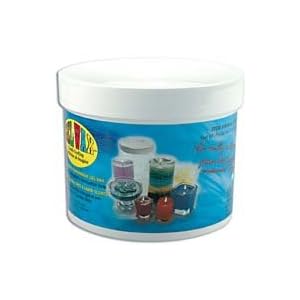
Gel Wax Candle Crafting - Clear

Gel Wax Candle Crafting - Clear
Clear candle crafting gel wax in a jar.
Price: $17.99

Click here to buy from Amazon

Wednesday, 20 October 2010

Simple Candle Making Tips

Although candle making at home might appear to be moderately easy, the reality is that regretably there is more than one means that an easy candle making craft can be fraut with poblems. To steer clear of possible problems, here are a range of candle making tips that might help.
1. As candle making tips go this one is pretty simple, when starting candle making at home - start simple. This can not be over exagerated, all novices will be raring to go but trouble will occur and keeping it easy will keep these candle making problems to a minimum.
2. With tip 1 in mind a good place to begin candle making would be to make rolled beeswax candles, the completed candles are very professional and melting wax isn't necessary, see beeswax candle making for more information.
3. Candle making tends to get enthusiasts creative juices flowing and a lot of cash can be saved by searching your house or garage for assorted things to utilize as candle making molds, these can comprise glass jars, egg cartons, jelly molds and old teacups to name but a few.
4. A well-liked option of candle makers is to make ecologically friendly soy candles. In their natural state they need neither coloring or the use of candle fragrance and may be created from low-priced candle making soy wax shavings, and following on from tip 3 old desert dishes or discarded glasses might be employed as containers.
5. Temerature may create a lot of problems when candle making at home, if the candle making wax is allowed to get too hot, the completed candle will be brittle and lack luster but poured when the wax is not hot enough and the finished candle may not develop right. A good way to combat this is to always make use of an accurate thermometer when candle making and to ensure you use the right temperatures then make use of an excellent candle making book
6. The length of the candle wick is very significant, if its left overly long then when the candle is lit the room is likely to fill with smoke., a simple remedy is to trim all candle wicks to about 1/4 inch. Yet another potential problem with candle wicks is its width, too slim and only the middle part of the candle will melt leaving the circumference unmelted and unsightly.
7. Container candles are quite easy to make and a very good suggestion is to heat the jar in an oven or microwave prior to pouring the wax. Doing this helps the wax to stick easily and uniformly to the inside of the container, this does not affect the way the candle burns but will make it look lots better especially if you are going to use them as gifts or promoting them in your candle making business.
8. Candle making supplies are not typically expensive, so don’t try to cut corners by purchasing inferior materials. It stands to reason that its not possible to create a high quality candle with poor quality materials, especially wax. One way to save money on supplies is to buy in bulk to take advantage of bigger special discounts, or consider buying candle making kits.
9. Do not discard any left over candle wax, or candle trimmings or even wax saved from a spill, you can use it all to make chunk candles. Just get all the left over bits of wax, no matter what the color, put them all into pillar candle making molds and then pour some newly melted wax over it to fill the pillar mold.
10. A number of candle makers enjoy creating 'sand candles'. These are unusual in a rustic way, not ideally suited as gifts or to sell on ebay but they are easy to make. Simply get a container such as a bucket and fill it with damp sand, make your mold form in the sand by pressing in a suitable item of your choosing. Secure a candle wick in the 'hole' using a wick sustainer or washer, centre the candle wick and pour in your melted candle making wax. Leave to cool for roughly 4 hours, take the candle or candles out, respread the sand and your all set to begin again.
11. Everybody likes to see decorative 'icing' on the top of a cake, you are able may get comparable effects on a candle. Beat some melted wax with a fork just before it sets and 'frost' your candle with it, peaked effects can be achieved by permitting the cooling wax to develop a skin before whipping and then applying it to the candle. With practise some unique effects can be accomplished using this technique.
12. Candle wicks can be kept in place in a jar or container by applying a little glue to the base of the wick sustainer, simple but very effectual.
13. A great suggestion if you are scented candle making is as well as adding candle fragrance to the candle making wax you could also dip the candle wick in the candle fragrance oil prior to dipping it into the wax. This 'scents' the candle wick for intense mood changing aromas.
14. Keep track of your candle making successes and tradgedies by maintaining a record of all the candles you make. Document variables such as candle fragrance to wax weight ratio, candle fragrances used with a number of waxes, width of wicks used in association to the size of candle, pouring temperatures, etc etc. With this information you can fix mistakes and easily remake your favourite candles, you can also experiment in your candle making with more self-confidence.
15. Its important to always enjoy your candle making and try not to get frustrated, bear in mind you can always re-melt your blunders and try for a second time.

Friday, 15 October 2010

Get Started With A Candle Making Kit

candle fragrance
Ready to give candle making crafts a go, but you simply don't have any time to research all of the steps, different types of candle making wax and candlewicks before you start on making your first candle? Don't worry and give up on your new found hobby. Manufactures that make candle making supplies and candle making equipment have started offering candle making kits.
The candle making kit comes with all the essential tools and candle making supplies considered necessary to begin creating your first candle straight away. You will discover many types of candle making kits available. From kits for adults to kits for kids. Always supervise your youngsters when they're candle making, they will be working with very hot candle making wax and may very easily hurt themselves.
Listed here are some of the more popular kits to consider when your deciding on your 1st candle making kit.
Gel Candle Making Kits
Gel candles became very popular because the gel wax is translucent. You can get quite  creative with your gel candle making and embed all types of colorful stuff that make your candles unique. Take care that the things you choose to embed inside the candle won't burn up when the gel wax is hot.
candle making crafts
Once I saw a fantastic gel candle that looked like an aquarium. The candle had been cast in a transparent glass container. The base of the candle had a sandy brown look to it. The center part was colored a light blue to give it a water like effect. It even had a metallic fish inside the candle! It was set off center so that it would not impede the burning of the candle.
Look for a kit that includes at least 5 pounds of gel wax, wicks with sustainers fixed to the bottom, three to four distinctive candle fragrance additives and at least one dye color.
Soy Candle Making Kits
Soy candles are getting especially popular because when they're lit they actually give off very little soot and smoke. Candle making soy wax is derived from soybeans. Hence they're considered environment friendly and a sustainable candle making product.
candle making kits
Locate a kit that contains at the least two pounds of soy candle wax, 1/2 dozen candle wicks, two different candle fragrance additives and at least one dye color.
Paraffin Candle Making Kits
The majority of commercially made candles are manufactured from paraffin wax. The wax is refined from crude oil. Paraffin candles generally tend to smoke and produce more soot specially if the candle has a high candle fragrance weight ratio or quite a bit of color dye in it.
Locate a kit that has at the least 5 pounds of wax, pillar candle making molds, 12 or more sustained candle wicks, four distinctive candle fragrance oils and 3 different color dyes.
Browse the local craft stores and the web and you'll come across lots of different specialty candle making kits available. Candle making crafts doesn't have to be a difficult and complicated passtime. These candle kits make it pretty trouble-free to get started candle making. Soon you'll be show casing your lovely hand crafted candles to your friends and family.

Thursday, 14 October 2010

Essential Candle Making Equipment

double boiler
Every decent craftsman has various necessary tools of the trade as they are known.  The professional carpenter has his hammer, for instance.   The master mason has his trowel.  Whether you realize it or not, you're going to enter the ranks of the master craftsperson.  And you, too, should have one or two fundamental tools of the "trade" or craft.
Okay, so maybe you want to downplay the "master" part of the phrase -- at least for now.  Give yourself some time, however.  Before you realize it, you'll be creating those wonderful candles.
Let's face it, the fundamentals of candle making are very straightforward to understand.  Take hard wax, melt it down, mold it, stick a candle wick in it and let it sit and re-harden.  Pretty easy.  (This can be even easier if you use beeswax, because that sort of wax does not even have to be melted down -- wait until you read about that!)
As crafts go, its simplicity ranks right up there along with . . . well, I actually do not think it gets simpler than this.  And also the final result surely doesn't get any more beautiful than this.
That means the "candle making equipment" involved in making these stylish pieces is kept to a minimum.  This is what you would need to make your first candles:
Heat Source
candle making equipment
A heat source is nothing more than your kitchen range or a hot pot of some sort.  One word of warning here, don't use a microwave oven.  As tempted as you might be, the temperature variations of this electrical device are not suitable for the precision of melting wax.
Pouring Pan
candle making molds
You will need a container in which to melt the wax.  If at all possible, you will need to work with a double boiler or something that will substitute for a double boiler.  If you do not have a double boiler, you may want to position empty cans on th base of a big pot arranged so that a smaller pan can sit sturdily in there.
Or you could get two pots and simply sit the smaller pan within the larger one.
The pot that's directly touching the heat supply will be filled up with water that will heat up to ultimately, evenly and gradually melt the wax inside the smaller pot. You'll want to make sure the smaller pan, by the way, at at the very least a half inch over the bottom of the bigger pot.
There's just one exception to using a double boiler and that's gel candle making wax.  The temperature at which gel wax gets "syrupy" (since it never really melts in the usual sense) is between 200 and 220 degrees.  It's not possible to reach this high temperature with a double boiler.
So be aware, when you think you are ready to work with this sort of material that a double boiler isn't really appropriate.
Thermometer
Given that wax melts swiftly and has the very real potential to literally explode if it gets far too hot, you will discover that a thermometer is an absolute necessity.  If you don't use one specially manufactured for candles, you may use a candy thermometer or any one which indicates temperatures ranging from 100 to 300 degrees Fahrenheit.
Whatever you do, never attempt to "eyeball" the temperature of your wax.  If you have ever made candy, you might have found that you got clever at simply looking at the texture of the candy to determine its temperature.  Wax is well . . . a complete different ball of wax . . . in this department.
Candle Making Molds
Molded candles tend to be easy and simple for novice candle makers to create.  Make sure to have these ready to fill if your first candle making project is to be this type.  There are other choices of candle varieties you can make, just be sure whatever type you're planning on using, to get it ready to go before you commence your project.
Dipping Can
When you choose dipping taper candles, you'll want some kind of metal holder that is wide enough and high enough in which to dip your candles.
Needless to say, you may buy one especially made for this job,  but you could find something suitable you already have at home.  If that's the case, then go ahead and utilize it!
Actually, if your melting pot is at least 12 inches wide, you won't even need to worry about a different dipping can. You have it right there! (Yes, I said wide. Let me tell you one quick aspect of dipping. The initial one or two times you dip that wick into the wax, it might not sink. Infact it might float as it lacks sufficient weight, but don't be concerned after some time your candle and the burden of the wax will allow it to sink.)
That's all you need for the simplest of projects.  As you go on with with your newfound passtime you will want to add to your "necessary candle making equipment."
Kitchen Scale
Eventually, you will want to weigh your wax and wax additive to make sure you're using the correct amount for consistent results.  The best scale is a digital postal scale.  They are  more precise than a spring-type set of scales -- particularly when it comes to weighing  additives and candle fragrance.  But take into account the digital postal scale can be a bit costlier as well.
Baking Tray
This is very useful when it comes time to clean your candle making molds.  Merely line the backing pan with kitchen foil.  As you clean the molds, keep close watch on the temperature you use, if you heat them for too long, they might begin to melt!
Scissors, Razor Blade, Craft Knife


The decision is yours.  But you'll soon find out that you will need some type of cutting instrument.  Sharp tools help you to trim your wick, and cut the wax.
When you cut off the amount of wax you need from your block of wax, be certain you've got protection for your countertop. It's too easy for the sharp tool to accidently cut clear through the wax and right into your worktop.
Hammer and Screwdriver
Now and again, you may need to break your slabs of wax apart, depending on its size.  The easiest method to do that is to pretend you're a sculptor.  Get the screwdriver and place it in the wax, then you just hammer the end of the screwdriver to produce the crack in the wax.  Again, just as a safety measure, you may want to put something under this block of wax to protect your kitchen counter.
Mold Sealers


You might also hear these refered to as wick sealers, they are the same thing, they are used to close the opening where you threaded in the candle wick.  In this way the wax won't leak out!
Releasing Agent Or Candle Mold Releases


This is a special silicone spray specifically manufactured as a releasing agent.  Obtainable at almost all craft stores, this spray should be applied thinly to the inside of the candle making mold, much like vegetable oil is applied to a cake pan when baking.  It assists to make removal of the finished candle from the candle making mold much easier.  Actually, if you do not have a mold release, you might substitute vegetable oil -- it works nearly as well!  If you have got some vegetable oil spray . . . well, this is even better!
Wax Glue


This is used to apply designs, embellishments and other pieces of wax to the sides of your candles.
Wick Tabs
These are thin metallic bases which you fix to the bottom of your wick if the wick is untabbed.  An untabbed wick, by the way, is simply a candle wick that is missing that thin metal base which helps keep it in the candle and helps it to stand upright.
Usually used in votive and container candles, the tabs are also used in candle making molds that don't have a hole in the bottom.
Fire Extinguisher


Yes!  A fire extinguisher.  It's better to be safe than sorry.  Hopefully, you will never need to use it.  But for safetys sake please be cautious and have one close by.